

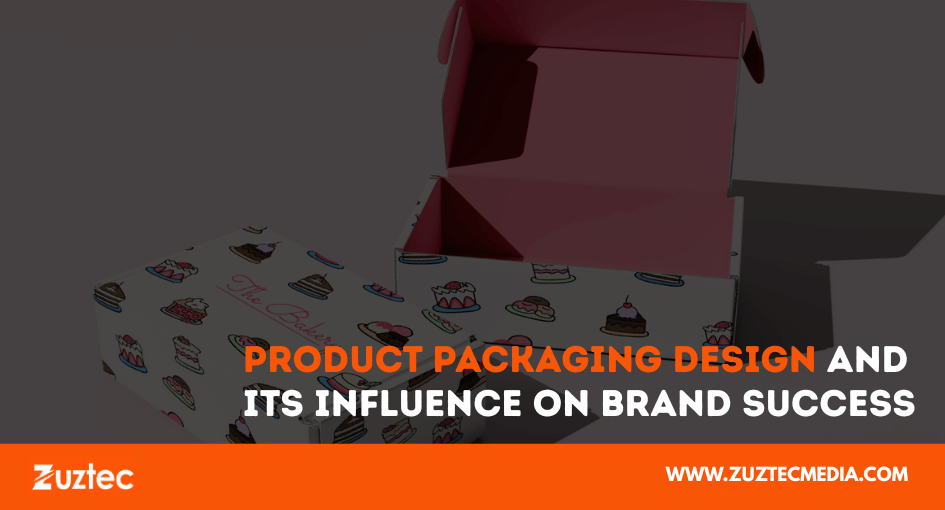
Product Packaging Design and Its Influence on Brand Success
In the modern marketplace, products are not just about functionality, they are about experience, perception, and connection. Consumers are faced with countless choices every day, and the way a product is presented can influence purchasing decisions as much as the product itself. Product wrapping design has become a critical component for businesses seeking to stand out, build brand recognition, and create memorable experiences. A well-designed package communicates quality, personality, and value before a customer even opens it.
Packaging serves multiple purposes beyond containment. It protects the product, provides information, and acts as a marketing tool that represents the brand visually and emotionally. A thoughtfully crafted design can capture attention on a crowded shelf or in an online store, encouraging engagement and driving conversions. Product packaging design template ensures that every element, including color palettes, typography, materials, and structural layout, aligns with the brand’s identity and message, creating a cohesive and recognizable visual language.
Packaging also supports marketing and promotional strategies. Limited editions, seasonal designs, and special collaborations can create excitement, encourage repeat purchases, and foster emotional connections. By integrating design thinking with marketing strategy, product packaging becomes a tool that not only protects the product but also drives brand growth and long-term loyalty.
Product Packaging Design And Brand Identity
The packaging design is fundamental in establishing and reinforcing brand identity. A carefully designed package reflects the values, personality, and positioning of a brand while differentiating it from competitors. Every visual element, from logo placement to color choices and patterns, contributes to a consistent and recognizable presence.
Designers use hierarchy, balance, and visual flow to guide the consumer’s attention to key information, such as brand name, product benefits, and usage instructions. Structural features like box shape, opening mechanism, or texture add functional value while enhancing the overall aesthetic. This integration of form and function ensures that packaging communicates quality and professionalism effectively.
Strategic packaging design also considers target audience preferences. By understanding consumer behavior, lifestyle, and expectations, designers create packages that resonate emotionally and practically. This alignment encourages engagement, repeat use, and advocacy, establishing a lasting connection between the brand and its customers.
Enhancing Consumer Experience Through Packaging
Packaging has a direct impact on how consumers experience a product. Thoughtful design improves usability, making items easier to store, open, or handle. It also creates anticipation and excitement during unboxing, which can enhance perceived value and overall satisfaction.
In the center of many successful campaigns, packaging design acts as a storytelling tool. Visual cues, interactive features, and tactile elements engage the senses, creating memorable experiences that encourage sharing on social media and word-of-mouth promotion. When packaging combines function, aesthetics, and narrative, it becomes an essential part of the brand journey rather than just a protective shell.
Well-designed packaging also provides practical benefits, such as clear labeling, instructions, and informative graphics. By improving clarity and accessibility, packaging ensures that customers understand the product quickly and confidently. This reduces confusion, minimizes returns or complaints, and contributes to a positive brand image.
Sustainability And Material Selection
Modern consumers are increasingly aware of environmental impact, making sustainability a critical factor in packaging design. Product packaging design AI services carefully select materials and production processes that balance eco-friendliness with durability and visual appeal. Using recyclable, biodegradable, or reusable materials demonstrates responsibility and resonates with environmentally conscious audiences.
Material selection influences not only environmental impact but also perception and functionality. Designers choose materials that reflect the product’s quality, support structural integrity, and enhance the tactile experience. This ensures that packaging is both attractive and practical, reinforcing the overall brand promise.
Production planning is another key consideration. Effective packaging design balances cost, scalability, and consistency across batches. Thoughtful planning ensures products remain high quality, maintain their appeal across multiple units, and adapt efficiently to market demands or seasonal trends.
Trends And Adaptability In Packaging Design
Packaging trends evolve continuously, driven by consumer preferences, cultural shifts, and technological advancements. Packaging design must be flexible to stay relevant while maintaining brand consistency. Seasonal releases, special editions, and collaborations allow brands to capitalize on trends without sacrificing identity.
Adaptable packaging design also considers various channels, including retail displays, e-commerce shipping, and direct-to-consumer delivery. Designers create solutions that maintain visual impact, protect the product, and offer functional convenience regardless of distribution method. This forward-thinking approach maximizes both engagement and longevity.
Maximizing Brand Impact With Product Packaging
Product packaging design ideas are more than a protective measure, they are a strategic tool for brand growth, consumer engagement, and market differentiation. Thoughtful design enhances visual appeal, supports usability, and communicates brand values effectively. When executed well, packaging leaves a lasting impression, encourages loyalty, and reinforces recognition across multiple touchpoints.
Investing in professional packaging design ensures that every aspect, from materials and colors to structural design and messaging, contributes meaningfully to the consumer experience. By combining creativity, functionality, and strategy, brands can turn ordinary products into memorable experiences that strengthen identity, foster engagement, and drive long-term success.