

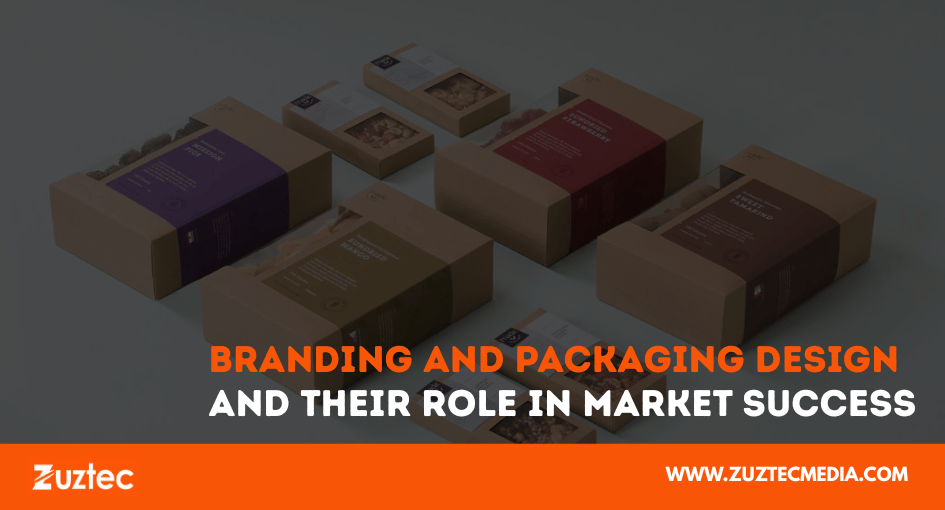
Branding and Packaging Design and Their Role in Market Success
In today’s competitive business environment, first impressions are critical. Consumers are presented with countless options, and the way a product is presented often determines whether it captures attention or gets overlooked. Branding & packaging design have emerged as essential tools for companies looking to distinguish themselves, communicate value, and create lasting impressions. These elements work together to reflect a brand’s identity, convey its story, and influence purchasing decisions, making them more than just visual enhancements, they are strategic assets.
Packaging has evolved from a simple protective layer to an influential marketing tool. It not only safeguards the product but also acts as a visual ambassador for the brand, conveying quality, personality, and trustworthiness. Branding ensures that every interaction with the product, from packaging to promotion, maintains consistency and recognition. When thoughtfully integrated, branding and packaging design enhance user experience, establish emotional connections, and help consumers make informed choices.
Branding And Packaging Design For Market Differentiation
Branding & packaging design templates are critical for establishing a unique presence in crowded markets. They provide a visual and functional identity that differentiates a product from competitors, ensuring it stands out both on shelves and on online platforms. Each element, including logo placement, color schemes, typography, and packaging structure, contributes to a cohesive and recognizable brand image.
Strategic design emphasizes clarity and functionality while maintaining aesthetic appeal. Packaging serves as the first point of contact, guiding the consumer’s attention to essential product information while evoking emotion. Unique shapes, textures, or finishes enhance perceived value and make the product memorable, encouraging repeated engagement.
Understanding the target audience is a key aspect of effective branding & packaging design ideas. Designers analyze consumer behavior, preferences, and lifestyles to create packaging that resonates emotionally and functionally. This approach ensures that every product aligns with consumer expectations while reinforcing brand messaging, resulting in stronger recognition and loyalty.
Enhancing Consumer Engagement Through Packaging
Packaging is more than protection, it is a gateway to interaction. Thoughtful design enhances usability, making products easier to open, handle, and store, while creating anticipation and excitement. The consumer experience begins the moment they see the packaging, and a memorable design strengthens the emotional connection with the brand.
In the center of successful campaigns, branding & packaging design examples act as storytelling devices. Elements such as illustrations, patterns, or interactive components help communicate the brand’s narrative. Limited editions or themed collections create excitement, fostering engagement and encouraging consumers to share their experience online or through word-of-mouth. Packaging that balances visual appeal and practicality improves satisfaction, reduces confusion, and enhances brand perception.
Well-executed packaging also provides clarity. Informative graphics, labels, and instructions guide consumers effectively, ensuring they understand the product and its benefits. This not only improves user experience but also reinforces credibility and trust, critical factors for building long-term relationships.
Sustainability And Material Selection
Modern consumers value environmentally responsible products, making sustainability a key consideration in branding and packaging design. Selecting eco-friendly materials and production methods reflects corporate responsibility while maintaining visual appeal and product integrity. Recyclable, biodegradable, or reusable materials demonstrate care for the environment and resonate with conscientious buyers.
Material choice affects both function and perception. Designers select options that ensure durability, enhance tactile experience, and complement brand aesthetics. Production planning considers scalability, cost-efficiency, and quality control, ensuring that packaging meets market demand while maintaining consistency and reliability.
Adapting Branding And Packaging To Trends
Consumer preferences and market trends evolve continuously, and packaging must remain relevant while maintaining brand identity. Creative branding & packaging design services incorporate seasonal trends, limited editions, and innovative concepts without compromising consistency. This adaptability helps brands remain appealing and competitive, attracting both new and existing audiences.
Flexible packaging solutions also consider distribution channels, such as retail, e-commerce, or direct-to-consumer platforms. Adaptable designs maintain visual impact, protect products, and enhance user convenience across different scenarios. Brands that balance innovation with usability can achieve long-term engagement and sustained market presence.
Maximizing Brand Value Through Effective Packaging
Branding and packaging design are critical tools for building recognition, trust, and consumer loyalty. Thoughtful design combines aesthetics, functionality, and strategic messaging to create memorable experiences that drive engagement. Professional services ensure that each product conveys quality, aligns with brand values, and connects meaningfully with audiences.
Effective branding and packaging transform products into ambassadors that communicate identity, inspire confidence, and encourage repeat interaction. By investing in these services, brands create tangible and emotional value, enhancing visibility, fostering loyalty, and positioning themselves for long-term success in competitive markets.