

Brand Credibility via Editorial Links & Mentions Explained Clearly
Trust has become one of the most valuable currencies in the digital space. Audiences today are more cautious, more informed, and more selective about which brands they believe. Polished websites and persuasive messaging are no longer enough on their own. People look for external validation before forming opinions or making decisions. This is where Brand Credibility via Editorial Links & Mentions plays a critical role in shaping perception and authority.
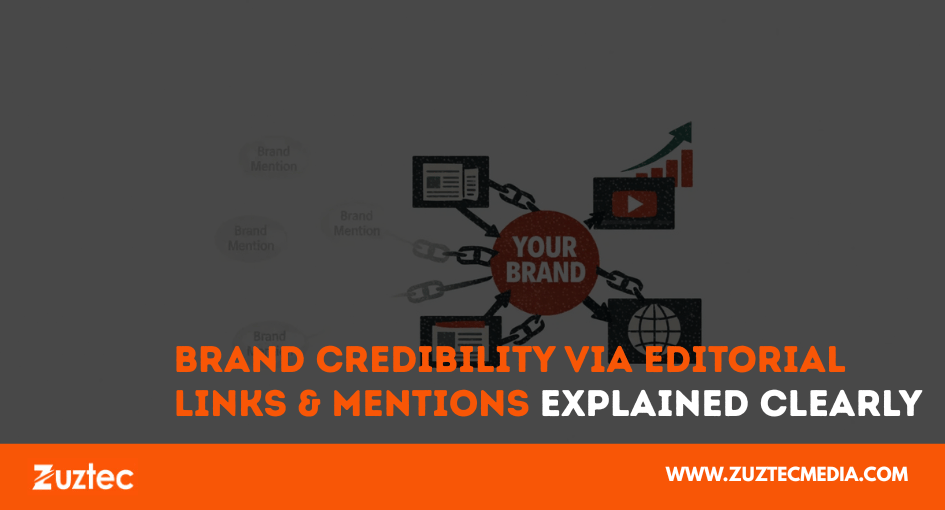
Editorial links and mentions come from third-party sources that reference a brand naturally within informative or news-based content. Unlike self-published promotions, these references act as independent confirmation. They signal that a brand is relevant enough to be discussed within meaningful contexts. This external recognition carries weight with both users and search engines.
Credibility is built gradually. A single mention may introduce awareness, but repeated appearances across respected platforms strengthen trust over time. When a brand is consistently referenced in educational content, industry discussions, or analytical articles, audiences begin to associate it with expertise and reliability.
Another important factor is subtlety. Editorial mentions are not aggressive promotions. They appear naturally within content, which makes them more believable. This article explains how editorial credibility works, why it matters for long-term growth, how these mentions influence visibility, and how brands can approach this strategy thoughtfully without undermining authenticity.
Brand Credibility Via Editorial Links & Mentions And Its Importance
Brand Credibility via Editorial Links and Mentions refers to trust signals created when external publishers reference a brand within their content. These mentions may include links, brand names, or contextual references that support the article topic.
The importance lies in independence. Editorial platforms are not controlled by the brand itself. Their decision to include a reference signals perceived value or relevance. This type of validation feels more genuine to readers because it is not directly self-promotional.
Search engines also recognize these signals as indicators of authority. Link building services suggest that the content is worthy of citation, which supports trust building. Over time, repeated mentions strengthen perceived legitimacy.
Another key benefit is association. Brands benefit from being mentioned alongside respected topics or discussions. This contextual alignment transfers credibility without explicit endorsement.
The impact extends beyond rankings. Users exposed to editorial mentions often show higher engagement, greater confidence, and longer consideration cycles. Trust reduces friction.
How Editorial Mentions Build Long-Term Trust
Trust is not created instantly. Editorial credibility works through repetition and consistency. When audiences encounter a brand across multiple trusted sources, familiarity develops naturally.
Editorial mentions also differ from advertisements because they appear within informative environments. Readers are already in a learning mindset, making them more receptive to referenced brands. Context matters significantly. Mentions within relevant subject matter contribute more to credibility than generic exposure. A brand discussed within thoughtful analysis or expert commentary feels authoritative.
Midway through many growth strategies, Brand Credibility via Editorial Links & Mentions begins to compound. Early mentions increase visibility. Later mentions reinforce reputation. Over time, the brand becomes a recognized presence within its space. This accumulation effect is difficult to replicate through paid promotion alone. Authenticity cannot be accelerated artificially.
Editorial Links And Their Impact On Search Visibility
Editorial links are often earned rather than placed. This difference influences how search engines assess value. Earned links imply that content or insight was worth referencing.
Unlike controlled links, editorial links usually appear within high-quality content. They are surrounded by relevant information, which adds semantic value. Search engines analyze these relationships to understand authority and topical relevance.
Another advantage is diversity. Editorial mentions often appear across various publications and formats. This natural diversity reduces risk and strengthens overall editorial backlinks list profiles.
Traffic from editorial sources may be smaller in volume, but it is often higher in quality. Readers arriving from educational or analytical content usually have a stronger intent and trust. The true value lies in alignment. Editorial credibility supports both visibility and perception simultaneously.
Challenges And Ethical Considerations
One challenge is patience. Editorial credibility takes time to build. Brands expecting immediate results may undervalue the process.
Another issue is forced placement. Attempts to manipulate editorial spaces reduce authenticity and can damage trust. Genuine relevance always produces better outcomes.
Quality control also matters. Not all mentions add value. Low relevance or poor context may dilute credibility rather than strengthen it. Ethical alignment is essential. Transparency and value-driven contributions support long-term success.
Building trust requires more than visibility. It requires recognition from voices beyond the brand itself. Brand Credibility via Editorial Links & Mentions offers a powerful way to earn that recognition through authenticity and relevance. When references are earned naturally and consistently, they strengthen reputation, support visibility, and create lasting confidence that paid promotion alone cannot replicate.